
Yes, we all know that protein is important.
We are constantly told that protein helps in building muscles, keeping our immune system strong, supporting growth, improving skin and hair health, maintaining energy levels, and helping in recovery. We hear it from doctors, nutritionists, trainers, social media, and advertisements.
And it is true.
Protein plays a vital role in almost every function of the body. Without adequate protein, we feel weak, tired, and more prone to illness. So naturally, most of us today are consciously trying to increase our protein intake.
But here is the question we rarely stop to ask:
Are we really getting our protein from the right sources?
Because while we are busy trying to “eat more protein,” the food industry has taken full advantage of this awareness.
Marketing companies have realized that the word protein sells. And they have used it brilliantly.
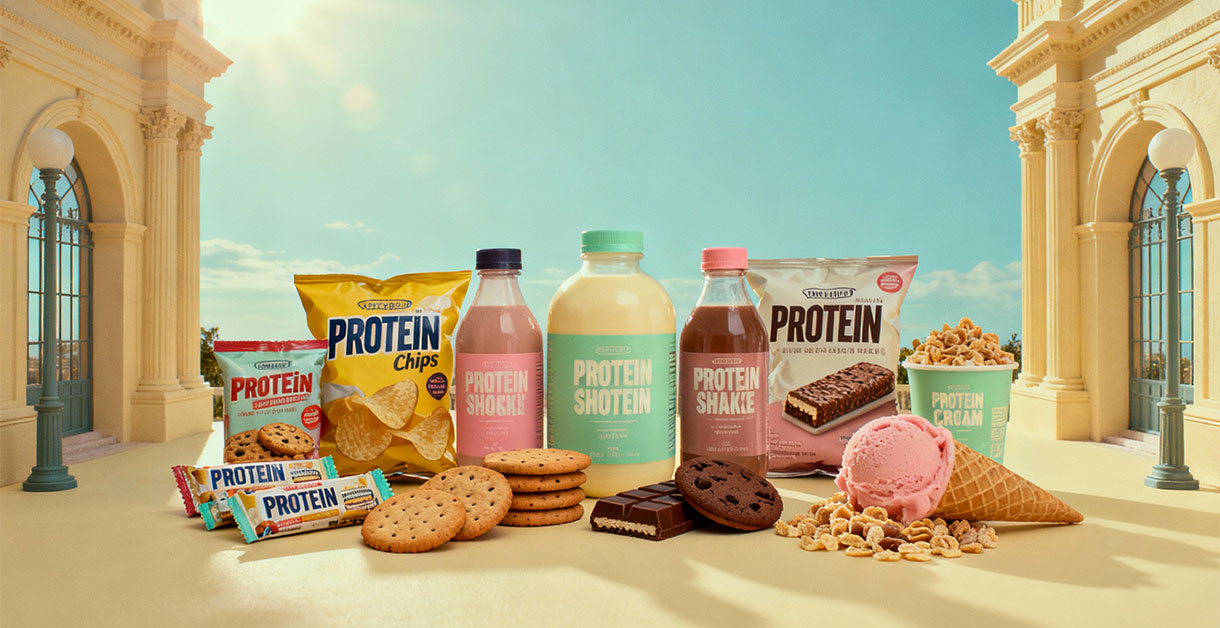
Today, instead of relying mainly on natural, home-cooked protein sources, many people are turning towards ready-made, packaged, and highly processed products such as:
- Protein chips
- Protein biscuits and cookies
- Protein bars
- Ready-to-drink protein shakes
- Protein chocolates
- Protein cereals
- Protein ice creams
These products are presented as smart, modern, and healthy choices. They promise convenience, fitness, and quick results.
But in reality, most of these are not health foods.
They are junk foods with protein added to them.
And this is where the real problem begins.
When Protein Becomes a Marketing Tool
In the past, people naturally got their protein from foods like dal, pulses, curd, paneer, eggs, nuts, seeds, fish, and home-cooked meals.
Today, many people get their protein from packets.
Why?
Because packets are easy.
They are heavily advertised.
They look attractive.
They promise fast results.
Food companies now take ordinary junk food, add a small amount of protein to it, and rebrand it as “healthy.”
A biscuit becomes a protein biscuit.
A chocolate becomes a protein bar.
A sugary drink becomes a protein shake.
The front label highlights “20g protein” in bold letters.
The long list of chemicals is written in tiny font.
Most people never read it.
Slowly, unknowingly, highly processed foods start replacing natural sources in daily diets.
Protein Is Powerful — But Only When It Comes From the Right Place
Protein supports:
- Muscle strength and repair
- Strong immunity
- Growth and development
- Skin and hair health
- Hormone production
- Metabolic balance
- Recovery from illness and exercise
It also helps in managing conditions like obesity, diabetes, PCOS, osteoporosis, and age-related muscle loss when consumed in clean forms.
But protein works properly only when it comes from good-quality sources.
When protein comes wrapped in artificial sweeteners, emulsifiers, acidity regulators, preservatives, and processed fats, it stops being protective and starts becoming harmful.
This is known as junk protein.
What Is Junk Protein?
Junk protein refers to ultra-processed foods that contain added protein along with multiple artificial and harmful ingredients.
These products may look healthy on the outside, but inside they contain substances that:
- Increase inflammation
- Disturb hormones
- Burden the liver and kidneys
- Promote weight gain
- Reduce energy
- Increase disease risk
They give protein on paper, but problems in real life.
Hidden Ingredients in Junk Protein Products and Their Effects
Let us understand what is actually present in most protein snacks and how each ingredient affects the body.
- Artificial Sweeteners (Sucralose, Aspartame, Acesulfame-K)
Why They Are Added
- To make products sweet without sugar
- To reduce calories
- To attract weight-conscious consumers
Effects on the Body
Regular consumption may:
- Increase inflammation
- Trigger headaches and migraines
- Increase insulin resistance
- Increase cravings
- Disturb appetite hormones
- Cause mood swings and fatigue
They confuse the brain’s reward system and disturb natural hunger control.
- Emulsifiers and Stabilizers
(Lecithins, Gums, Synthetic Stabilizers)
Why They Are Added
- Improve texture
- Prevent separation
- Increase shelf life
Effects on the Body
They may:
- Activate immune responses
- Increase inflammatory markers
- Cause joint stiffness
- Lead to body aches
- Increase fatigue
They keep the immune system in a constant irritated state.
- Acidity Regulators
(Citric Acid, Phosphoric Acid, Sodium Citrate)
Why They Are Added
- Control taste
- Preserve freshness
- Improve flavor stability
Effects on the Body
Excess intake may:
- Disturb calcium and magnesium balance
- Increase acidity load
- Weaken bones over time
- Stress kidneys
- Damage tooth enamel
Many people with acidity, bone weakness, and kidney problems unknowingly consume large amounts of these compounds.
- Refined Carbohydrates and Fillers
(Maltodextrin, Refined Flour, Modified Starch)
Why They Are Added
- Cheap bulking agents
- Improve texture
- Increase volume
Effects on the Body
They:
- Spike blood sugar
- Increase insulin demand
- Promote fat storage
- Cause energy crashes
- Increase inflammation
They cancel out the metabolic benefits of protein.
- Processed Vegetable Oils and Palm Oil
Why They Are Added
- Improve taste
- Extend shelf life
- Reduce cost
Effects on the Body
They:
- Increase inflammation
- Raise bad cholesterol
- Promote oxidative stress
- Increase heart disease risk
- Burden the liver
- Artificial Flavours and Flavour Enhancers
Why They Are Added
- Mask low-quality ingredients
- Make products addictive
- Improve taste
Effects on the Body
They:
- Increase liver detox load
- Trigger allergies
- Cause headaches
- Affect mood
- Add toxic burden
They provide no nutritional benefit.
- Preservatives
(Sodium Benzoate, Potassium Sorbate, Sulphites)
Why They Are Added
- Prevent spoilage
- Increase shelf life
Effects on the Body
They may:
- Increase oxidative stress
- Trigger asthma and headaches
- Disturb immune balance
- Increase inflammation
How Junk Protein Affects Different Body Systems
Because junk protein contains many harmful ingredients together, it affects multiple organs at once.
Metabolic System
- Insulin resistance
- Weight gain
- Fatigue
- Low energy
Hormonal System
- PCOS worsening
- Thyroid imbalance
- Appetite disturbance
- Mood swings
Immune System
- Chronic inflammation
- Frequent illness
- Poor recovery
Liver and Kidneys
- Increased detox burden
- Fatty liver risk
- Kidney stress
Bones and Teeth
- Mineral imbalance
- Bone weakening
- Enamel erosion
Why We See So Much Inflammation Today
Today, many people complain of:
- Body pain
- Joint stiffness
- Skin problems
- Fatigue
- Poor recovery
- Hormonal issues
Often, the root cause is not lack of nutrition — it is constant exposure to processed additives disguised as health food.
Junk protein plays a major role in this.
Junk Protein Creates a False Sense of Healthy Eating
The biggest danger is psychological.
People think:
“I eat protein snacks, so I’m healthy.”
“I don’t eat junk food.”
“I take care of my diet.”
But junk protein is still junk.
It just has better packaging.
How to Identify Junk Protein Products
Be cautious if a product:
- Has a long ingredient list
- Contains artificial sweeteners
- Lists emulsifiers or stabilizers
- Uses acidity regulators
- Contains maltodextrin or refined flour
- Has many preservatives
Simple rule:
If you can’t easily understand the ingredients, your body probably doesn’t need them.
Conclusion: Choose Protein Wisely, Not Blindly
Protein is essential. It supports strength, immunity, recovery, and long-term health.
But junk protein damages the body slowly and silently.
Protein combined with artificial sweeteners, emulsifiers, acidity regulators, fillers, preservatives, and processed fats becomes part of the disease process — not the solution.
In today’s protein-obsessed world, do not fall for marketing.
Read labels. Question claims. Choose real food.
Your body deserves nourishment — not nicely packaged chemicals.