
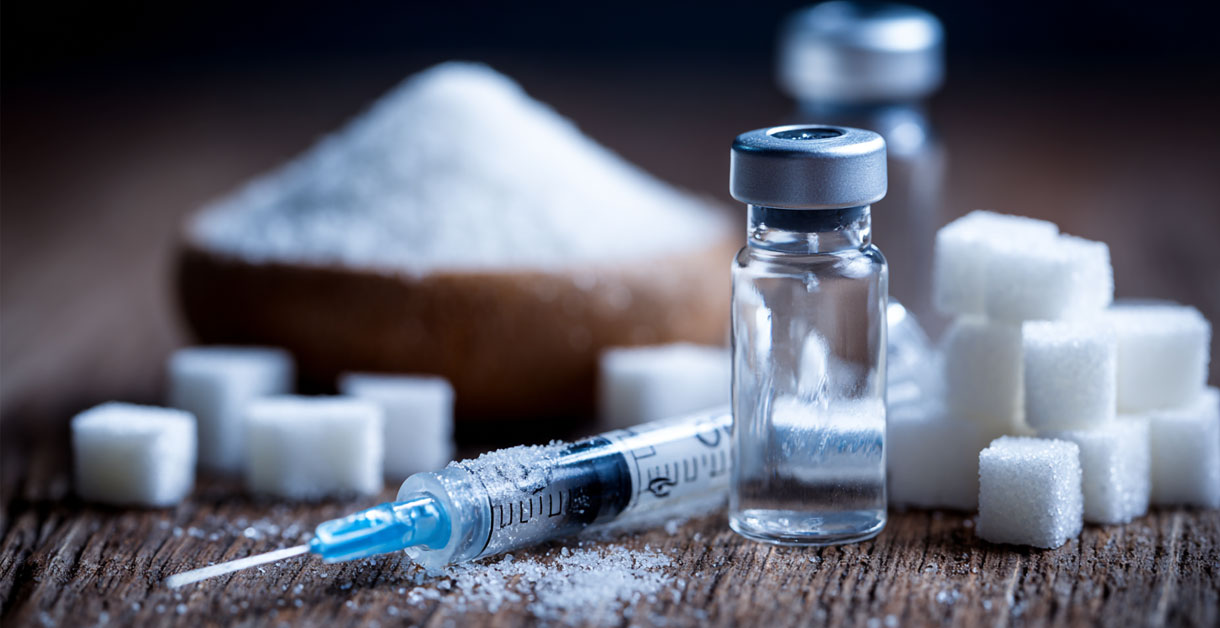
Perimenopause Link & Natural Ways to Reverse It
Insulin resistance is one of the most important yet often overlooked health conditions affecting
modern lifestyles. It is the root cause behind weight gain, hormonal imbalance, fatigue, PCOS, and even difficulty losing weight despite doing everything “right”.
If you are someone who feels that your body is not responding like before, especially in your 40s,
this blog will help you understand the deeper metabolic reason behind it.
What is Insulin Resistance?
Insulin is a hormone released by the pancreas that helps move glucose (sugar) from your
bloodstream into your cells, where it is used as energy. In a healthy body, insulin works efficiently. But in insulin resistance, your cells stop responding properly to insulin. This leads to glucose staying in the bloodstream and the body producing more insulin to compensate.
Over time, this results in: – High insulin levels – Increased fat storage (especially abdominal fat) –
Hormonal imbalances – Risk of prediabetes and type 2 diabetes
Insulin resistance is not just a sugar problem—it is a metabolic and hormonal issue.
Symptoms of Insulin Resistance
The signs are often subtle and ignored for years.
Common symptoms include: –
- Stubborn belly fat – Difficulty losing weight – Constant fatigue or low energy – Sugar cravings – Feeling hungry frequently – Brain fog and lack of focus
- Skin-related signs: – Dark patches around the neck and underarms – Skin tags
- Hormonal symptoms: – Irregular periods – PCOS symptoms – Mood swings – Bloating and water retention
Many women assume this is “just aging” or “just hormones”, but insulin resistance is often the root cause.
Who is at Risk of Insulin Resistance?
Insulin resistance can affect anyone, but certain groups are more vulnerable.
- Women in perimenopause: Hormonal changes, especially declining estrogen, directly affect insulin sensitivity. This leads to fat gain, especially around the abdomen, and slower metabolism.
- Women with PCOS: Insulin resistance is one of the main drivers of PCOS and affects ovulation and androgen levels.
- People with sedentary lifestyle: Lack of movement reduces glucose uptake by muscles, making insulin less effective.
- High stress individuals: Chronic stress increases cortisol, which raises blood sugar and worsens insulin resistance.
- Poor sleep patterns: Sleep deprivation directly reduces insulin sensitivity.
- Family history: Genetics can increase risk, but lifestyle determines progression.
Causes of Insulin Resistance
- Hormonal Changes (Perimenopause)
During perimenopause: – Estrogen levels fluctuate and decline – Muscle mass reduces – Fat storage
Increases. This makes the body more insulin resistant, even if diet remains the same.
- High Sugar and Refined Carbohydrates
Frequent intake of sugar, bakery products, refined flour, and processed foods leads to repeated
insulin spikes, eventually causing resistance.
- Chronic Stress
Elevated cortisol levels increase blood sugar and promote fat storage. Emotional stress also
impacts eating patterns and metabolism.
- Poor Gut Health
Gut inflammation and imbalance affect insulin signaling and increase systemic inflammation.
- Lack of Muscle Mass
Muscle is a major site for glucose utilization. Lower muscle mass means reduced ability to use
glucose efficiently.
- Sleep Deprivation
Even a few nights of poor sleep can reduce insulin sensitivity and increase cravings.
How to Reverse Insulin Resistance Naturally
The most important point to understand is that insulin resistance is reversible.
- Balance Your Meals
Instead of cutting carbs completely, balance them.
Combine: – Carbohydrates + Protein + Healthy fats
This slows glucose absorption and prevents spikes.
- Choose the Right Protein
Protein helps stabilize blood sugar, but excess or poorly digested protein can cause bloating and
acidity.
Good options: – Eggs – Lentils – Chickpeas – Moderate chicken
- Strength Training
Muscle improves insulin sensitivity significantly.
Aim for 2–3 sessions per week of strength training.
- Walk After Meals
Even 10–15 minutes of walking after meals can reduce blood sugar spikes.
- Manage Stress
Include: – Deep breathing (Anulom Vilom, box breathing) – Meditation – Time in sunlight – Grounding
Stress management is essential for hormonal balance.
- Improve Gut Health
Include: – Fiber-rich vegetables – Seeds like flax and chia – Digestive spices like jeera, ajwain,
ginger
Avoid foods that cause bloating or inflammation.
- Improve Sleep
– Sleep 7–8 hours – Avoid late-night eating – Reduce screen exposure before bed
- Use Functional Foods
– Cinnamon improves insulin sensitivity – Flaxseeds and chia seeds provide fiber and omega-3 –
Apple cider vinegar helps reduce sugar spikes – Spearmint tea supports hormones
- Avoid Crash Dieting
Extreme dieting increases stress hormones and worsens insulin resistance.
- Stay Consistent
Small daily habits create long-term metabolic change.
Insulin Resistance and Perimenopause: The Hidden Link
Women in their 40s often notice: – Sudden weight gain – Increased belly fat – Low energy – Mood
Changes. This is not just hormonal—it is also metabolic.
Declining estrogen affects how the body responds to insulin, making fat loss more difficult.
That is why a hormone-focused and metabolism-focused approach is required.
Conclusion
Insulin resistance is a silent condition but has a powerful impact on your health.
It is the root cause behind: – Weight gain – Fatigue – PCOS – Hormonal imbalance – Belly fat
The solution is not extreme dieting or cutting all carbs.
The solution is: – Balanced nutrition – Strength training – Stress management – Better sleep – Gut
health support
If your body is not responding the way it used to, it is not your fault. Your body is asking for a
different approach.
A holistic, hormone-aware, and sustainable lifestyle can help reverse insulin resistance and restore your metabolism.
Take the first step today towards understanding your body better.