
Iron is one of the most essential minerals for our health — yet iron deficiency remains one of the most common nutritional deficiencies, especially in women and children. According to recent data, more than 50% of women in India are anemic, and many don’t even realize it until symptoms become severe.
Low iron doesn’t just affect your blood — it can impact everything from your energy levels to your skin glow and even your hormones. In this blog, we’ll decode everything you need to know about iron: why it’s important, how to know if you’re deficient, what affects iron absorption, and how you can improve your iron levels naturally through diet and gut health.
Why Do You Need Iron?
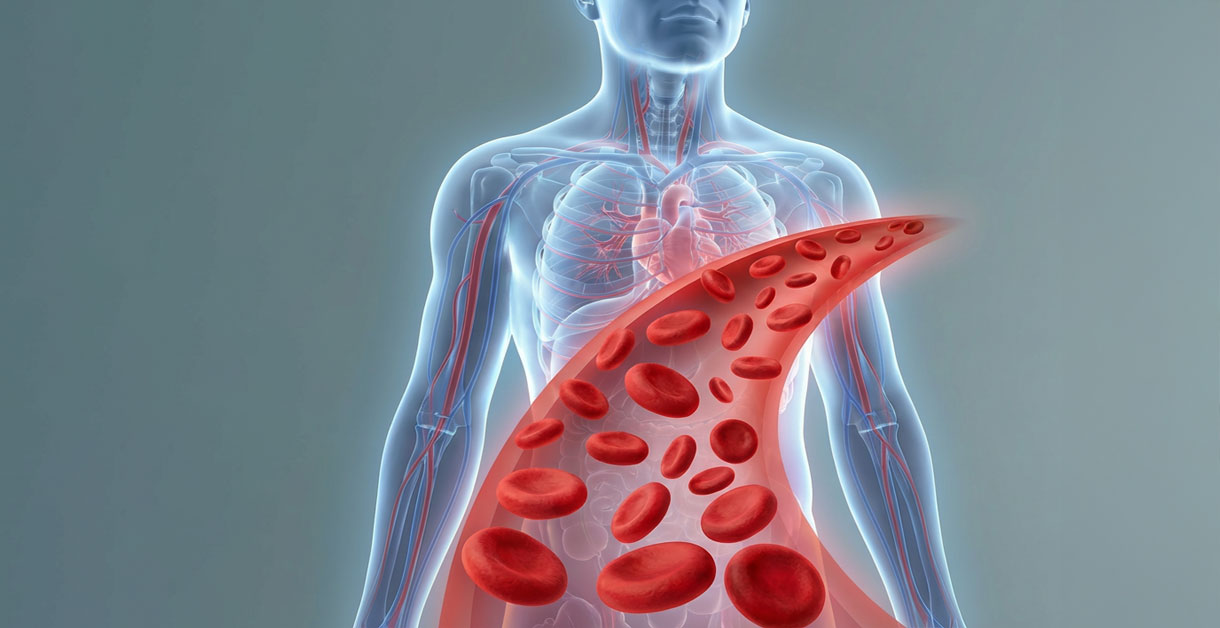
Iron plays a crucial role in oxygen transport throughout the body. It is an essential component of hemoglobin — the protein in red blood cells that carries oxygen from the lungs to the rest of the body.
But that’s just the beginning. Iron also:
- Supports energy metabolism
- Aids in the synthesis of neurotransmitters like dopamine and serotonin
- Supports immune function
- Helps maintain healthy hair, skin, and nails
- Supports brain development and cognition
- Plays a role in hormone regulation
Without enough iron, your body struggles to make healthy red blood cells — leading to low oxygen supply and fatigue.
Benefits of Optimal Iron Levels
When your iron levels are balanced and absorbed well, you may experience:
- Increased energy and stamina
- Reduced fatigue and brain fog
- Better physical performance
- Healthier hair, stronger nails
- Fewer headaches or dizziness
- Stronger immunity
- Improved mood and mental clarity
- Better recovery after workouts or illness
That’s why iron is so important — especially for women in their reproductive years, teenagers, pregnant women, athletes, and anyone recovering from illness or surgery.
Common Symptoms of Low Iron
Most people with iron deficiency don’t realize it until it becomes moderate or severe. Some early signs include:
- Constant fatigue or tiredness
- Pale skin, lips, or under eyes
- Shortness of breath or rapid heartbeat
- Dizziness or headaches
- Hair thinning or hair fall
- Weak, brittle nails
- Cold hands and feet
- Poor concentration or brain fog
- Irritability and mood swings
- Frequent infections or low immunity
- Restless legs at night
Women often dismiss these symptoms as “normal,” especially during heavy periods or postpartum recovery. But if you relate to many of these signs, it’s time to get your iron and ferritin levels checked.
Why Are So Many People Low in Iron?
Iron deficiency is not just about not eating enough iron-rich foods. In fact, many people eat enough iron but don’t absorb it well due to various hidden factors.
Let’s break it down.
What Affects Iron Absorption?
Iron absorption is a complex process that relies heavily on gut health, stomach acid, inflammation, and even food combinations. Here are the top factors that affect iron absorption:
- Gut Health & Inflammation
If your gut is inflamed, leaky, or populated with bad bacteria, it hampers nutrient absorption — especially non-heme iron (from plant foods). Conditions like IBS, IBD, gut infections, or food intolerances can all affect iron uptake.
- Low Stomach Acid
Stomach acid (hydrochloric acid) is necessary to break down iron and prepare it for absorption in the small intestine. If you suffer from acidity, bloating, belching, or take antacids often, your stomach acid might be too low — reducing iron absorption.
- Heavy Periods
Women with heavy or prolonged periods lose more blood — and therefore iron — each month. If not replenished well, this can lead to long-term anemia.
- Poor Food Pairings
Certain foods enhance iron absorption (like Vitamin C), while others inhibit it.
- Enhancers: Vitamin C (from lemon, amla, oranges), fermented foods, sprouted grains
- Inhibitors: Tea, coffee, calcium-rich foods, high-fiber cereals, oxalates (in spinach, beetroot)
- Excess Gut Pathogens or Worms
Parasitic infections, especially in tropical regions, can cause blood loss or block absorption. That’s why deworming regularly is important, especially in children and house-help.
Heme vs. Non-Heme Iron: What’s the Difference?
Iron in food comes in two forms:
Heme Iron (Animal-based)
- Found in: red meat, chicken liver, mutton, fish, eggs, poultry
- Highly bioavailable – easily absorbed by the body
- Absorption rate: 15–35%
Non-Heme Iron (Plant-based)
- Found in: dals, legumes, green leafy vegetables, millets, seeds, jaggery, tofu
- Requires gut support & pairing with Vitamin C
- Absorption rate: 2–10%
If you are vegetarian, you’ll need to be more mindful of food combinations and gut health to ensure proper absorption of non-heme iron.
Top Foods to Boost Iron Naturally
Vegetarian Sources of Iron
- Seeds & Nuts: Halim (garden cress), flaxseeds, sesame seeds, sunflower seeds
- Millets: Bajra, ragi, rajgira
- Pulses: Masoor, toor, chana, soybeans
- Leafy Greens: Amaranth, curry leaves, moringa leaves, methi
- Dry Fruits: Dates, raisins, munakka, dried apricots
- Others: Tofu, jaggery, blackstrap molasses
Tip: Always add lemon or amla juice to your meals to enhance iron absorption.
Non-Vegetarian Sources of Iron
- Chicken and mutton liver
- Red meat (mutton, lamb)
- Egg yolk
- Sardines, clams, prawns, oysters
- Chicken thigh and drumsticks
Tip: Pair meat with a fresh salad and lemon for better digestion and mineral balance.
Key Lifestyle Tips to Improve Iron Absorption
✅ Eat your meals in a calm, relaxed state
✅ Include fermented foods (kanji, sauerkraut, curd, buttermilk)
✅ Avoid tea or coffee 30 minutes before or after meals
✅ Avoid excess calcium (milk, cheese) with iron-rich meals
✅ Consider deworming every 6–12 months
✅ Add a gut-friendly drink: coriander seed + jeera + methi water
✅ Get your Vitamin B12, folate, and D levels checked regularly — they all work together with iron
Final Words: Don’t Just Eat Iron — Help Your Body Absorb It
If you’ve been taking iron tablets or eating palak and dates and still feeling tired or pale, it’s time to look deeper. Your gut health, stress levels, stomach acid, and food pairings all influence how well your body can actually use the iron you eat.
And remember, symptoms like cravings, fatigue, dull skin, or hair fall might not be solved with just supplements. They need a holistic nutrition strategy that supports your body’s digestion, absorption, and repair processes.