
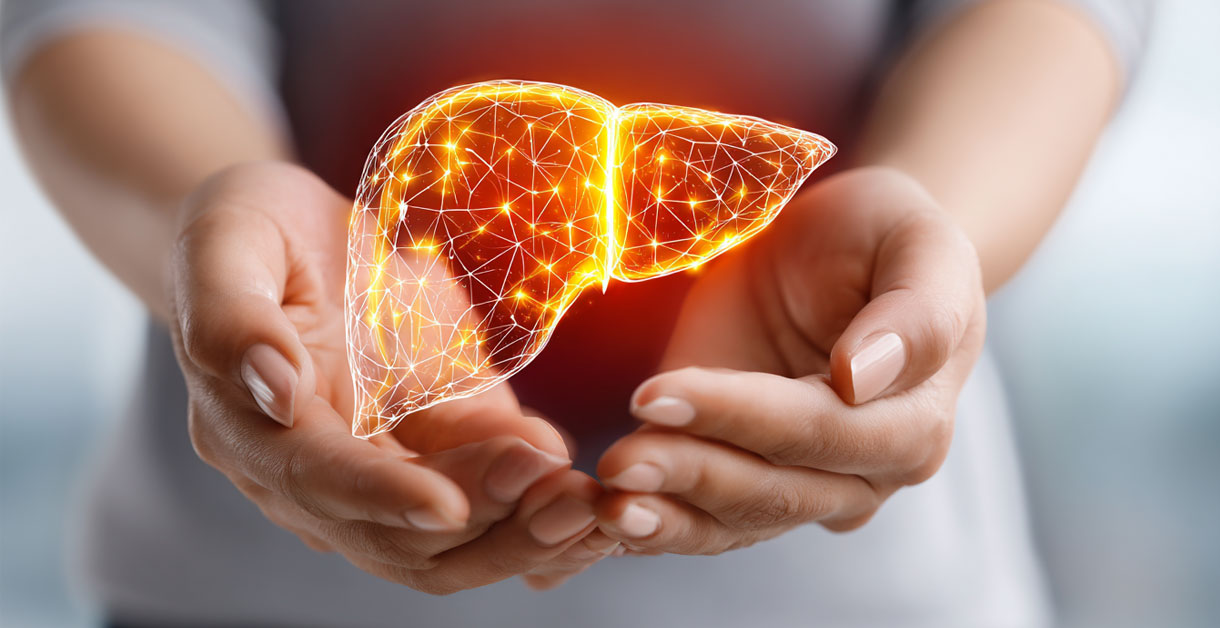
Introduction
The liver is one of the most powerful organs in your body — it filters toxins, processes nutrients, balances hormones, and even helps regulate blood sugar. But in recent years, there’s been a silent epidemic: fatty liver disease. Once thought to affect only heavy drinkers, it is now extremely common even in people who don’t consume alcohol.
The good news? Fatty liver is largely reversible through lifestyle and nutrition changes. In this blog, we’ll break down what fatty liver really means, why it happens, and how diet can help restore your liver health.
What is Fatty Liver?
Fatty liver, also known as hepatic steatosis, is a condition where excess fat builds up in the liver cells. Normally, the liver should contain very little fat (less than 5%). When the fat percentage goes higher, it starts affecting liver function.
There are two main types:
- Alcoholic Fatty Liver Disease (AFLD) → caused by heavy or long-term alcohol use.
- Non-Alcoholic Fatty Liver Disease (NAFLD) → occurs in people who drink little or no alcohol, and is strongly linked to obesity, diabetes, insulin resistance, and high cholesterol.
NAFLD is now one of the most common liver conditions worldwide, even in young adults and children.
Causes & Risk Factors
Several factors contribute to fatty liver:
- High sugar and refined carb intake → excess glucose gets converted into fat in the liver.
- Insulin resistance → when cells don’t respond well to insulin, more fat is stored in the liver.
- Obesity or belly fat → central obesity increases the risk significantly.
- High cholesterol & triglycerides → disrupt fat metabolism in the liver.
- Sedentary lifestyle → lack of physical activity worsens fat accumulation.
- Certain medications and genetic factors can also play a role.
Symptoms of Fatty Liver
Fatty liver is often called a silent disease because symptoms are subtle or absent in the early stages. Some people may experience:
- Fatigue and low energy
- Mild discomfort or heaviness on the right side of the abdomen
- Unexplained weight gain or difficulty losing weight
- Brain fog or poor concentration
If left unmanaged, fatty liver can progress to liver inflammation (steatohepatitis), fibrosis, or even cirrhosis. That’s why early lifestyle intervention is key.
How Diet Can Help Manage & Reverse Fatty Liver
The liver has an amazing ability to repair and regenerate itself, but only if given the right conditions. A targeted diet can reduce fat buildup, improve insulin sensitivity, and lower inflammation.
Here are the key dietary strategies:
- Balance Blood Sugar with Smart Carbs
High sugar and refined carbs are the biggest culprits. White bread, pastries, soft drinks, and packaged snacks spike insulin and promote fat storage in the liver.
✅ Switch to low-glycemic, fibre-rich carbs like:
- Oats, quinoa, brown rice, millets
- Beans, lentils, chickpeas
- Vegetables and whole fruits (not juices)
These foods keep blood sugar stable and reduce the liver’s fat burden.
- Prioritise Lean Protein
Protein helps repair liver cells, supports metabolism, and prevents cravings.
✅ Include:
- Eggs, chicken, fish (for non-vegetarians)
- Greek yogurt, paneer (if tolerated), tofu, tempeh
- Pulses, dals, sprouts
Aim for 20–25g protein per meal to support liver recovery.
- Healthy Fats, Not No Fats
The liver struggles more with trans fats and fried foods, not healthy fats.
✅ Include:
- Omega-3 rich foods: flaxseeds, walnuts, chia seeds, fatty fish
- Nuts and seeds in moderation
- Cold-pressed oils (olive, mustard, groundnut) instead of refined oils
These fats reduce inflammation and improve liver enzyme levels.
- Go Big on Antioxidants
Oxidative stress is a key driver of liver inflammation. Antioxidant-rich foods help protect and heal liver cells.
✅ Best choices:
- Green tea, turmeric, ginger
- Berries, citrus fruits, pomegranate
- Leafy greens, cruciferous vegetables (broccoli, cabbage, kale)
- Coffee (yes, studies show moderate coffee helps protect liver health)
- Stay Hydrated
The liver detoxifies the body, but it needs adequate fluids to flush toxins efficiently.
✅ Aim for 2–2.5 litres water daily.
✅ Add herbal teas like dandelion, milk thistle, or chamomile which support liver function.
- Watch Alcohol & Processed Foods
Even small amounts of alcohol can worsen fatty liver. Limit or avoid it if diagnosed.
Also, minimise processed, deep-fried, and packaged foods that overload the liver with trans fats and additives.
Lifestyle Beyond Diet
While diet is central, combining it with lifestyle changes accelerates results:
- Exercise → 30 minutes of walking or strength training improves insulin sensitivity.
- Weight management → even a 5–10% weight loss can significantly reduce liver fat.
- Sleep & stress control → poor sleep and high cortisol worsen fat accumulation in the liver.
Conclusion
Fatty liver is one of the most common yet most reversible lifestyle conditions. With the right nutrition and daily habits, you can protect your liver, reduce fat buildup, and restore its powerful ability to detox and energise your body.
Remember: the liver is the only organ that can regenerate itself. Start making changes today — your liver will thank you tomorrow.